
Skin Health Journal
By Dr Gregorio De Carvalho · Aesthetic Doctor in London
Both use hyaluronic acid — yet they work in entirely different ways. Dr Gregorio De Carvalho explains what sets them apart and how to choose the right approach for your skin.
The Short Answer
Both Profhilo and dermal fillers are injectable hyaluronic acid (HA) treatments — but their molecular formulations are completely different, and so are their results. Profhilo uses non-cross-linked, BDDE-free stabilised HA: it spreads freely through the tissue, bio-remodelling collagen and elastin without adding volume. Dermal fillers use BDDE cross-linked HA: the HA molecules are chemically bonded into a gel that holds its shape precisely where it is placed, restoring volume and sculpting contours.
Understanding the distinction helps you make an informed choice — and know when each treatment (or both together) is right for your concerns.
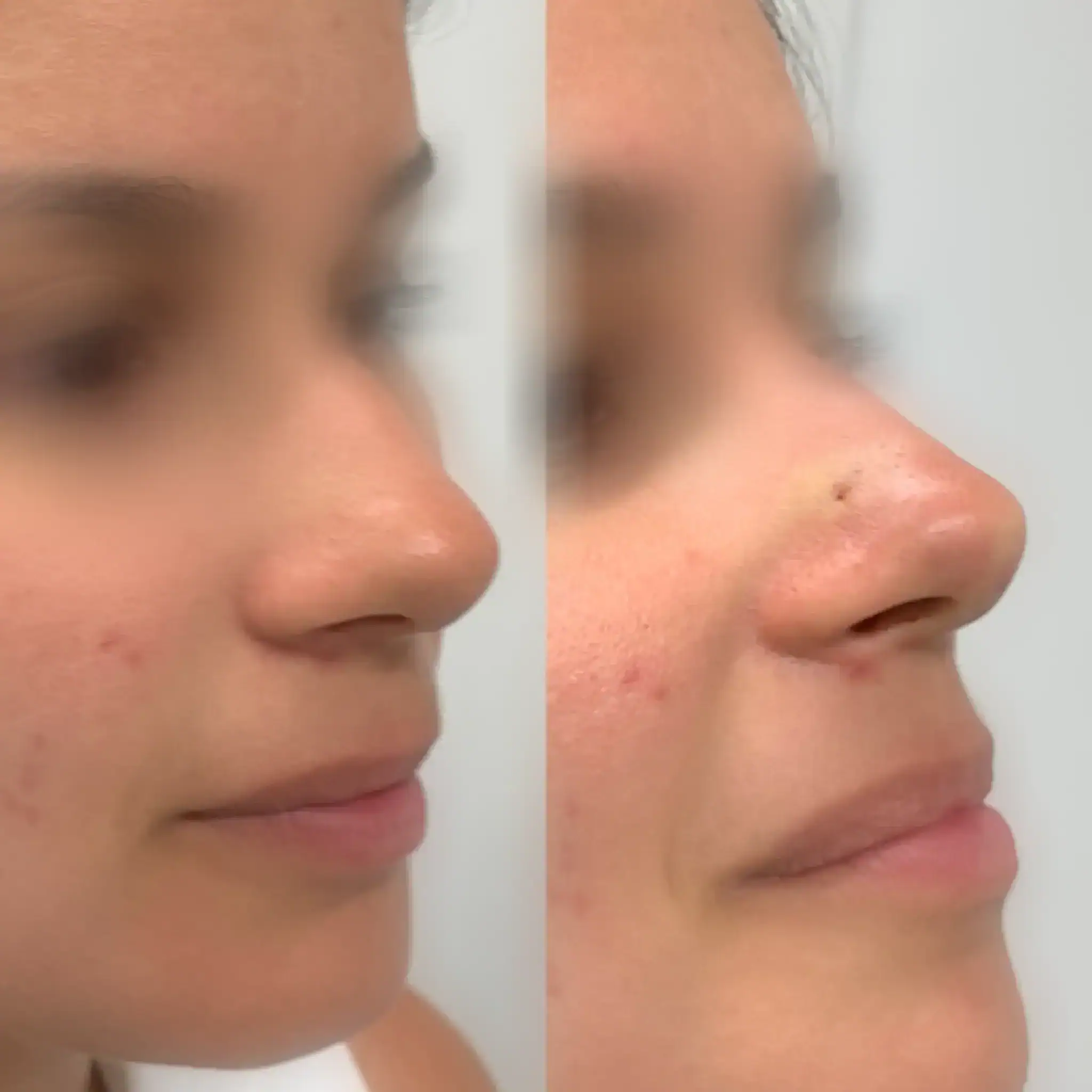
Rhinomodeling result using hyaluronic acid on a patient, London.
❖
Targets skin laxity, dullness, and dehydration. Spreads evenly under the skin to bio-remodel collagen and elastin — ideal for the face, neck, and décolletage.
◇
Precisely placed to restore cheek volume, define jawlines, plump lips, or fill deep lines. A sculpting tool in the hands of an experienced physician.
✦
Many patients benefit from combining treatments — fillers restore structure while Profhilo improves the surrounding skin quality for a truly natural result.
Side by Side
A clear overview of what each treatment offers, so you can arrive at your consultation informed.
| Feature | Profhilo | Dermal Fillers |
|---|---|---|
| Main purpose | Bio-remodelling & skin quality | Volume, contour & line correction |
| HA formulation | Non-cross-linked BDDE-free stabilised HA (free to spread through tissue) | BDDE cross-linked HA gel (engineered to stay precisely in place) |
| How it works | Spreads & stimulates collagen / elastin | Stays in place; fills & lifts |
| Treatment areas | Face, neck, décolletage, hands | Cheeks, lips, jawline, nasolabial folds, temples, under eyes |
| Sessions required | 2 sessions (4 weeks apart) | Typically 1 session |
| Results duration | 6–12 months (skin quality) | 9–18 months (product-dependent) |
| Downtime | Minimal (small bumps resolve in 24 h) | Minimal to mild (bruising possible) |
| Natural-looking? | Yes — no visible change in shape | Yes, in experienced hands |
| Reversible? | Not with hyaluronidase (too dispersed) | Yes — dissolves with hyaluronidase |
| Best for | Glow, firmness, hydration, early ageing | Volume loss, defined features, deeper lines |
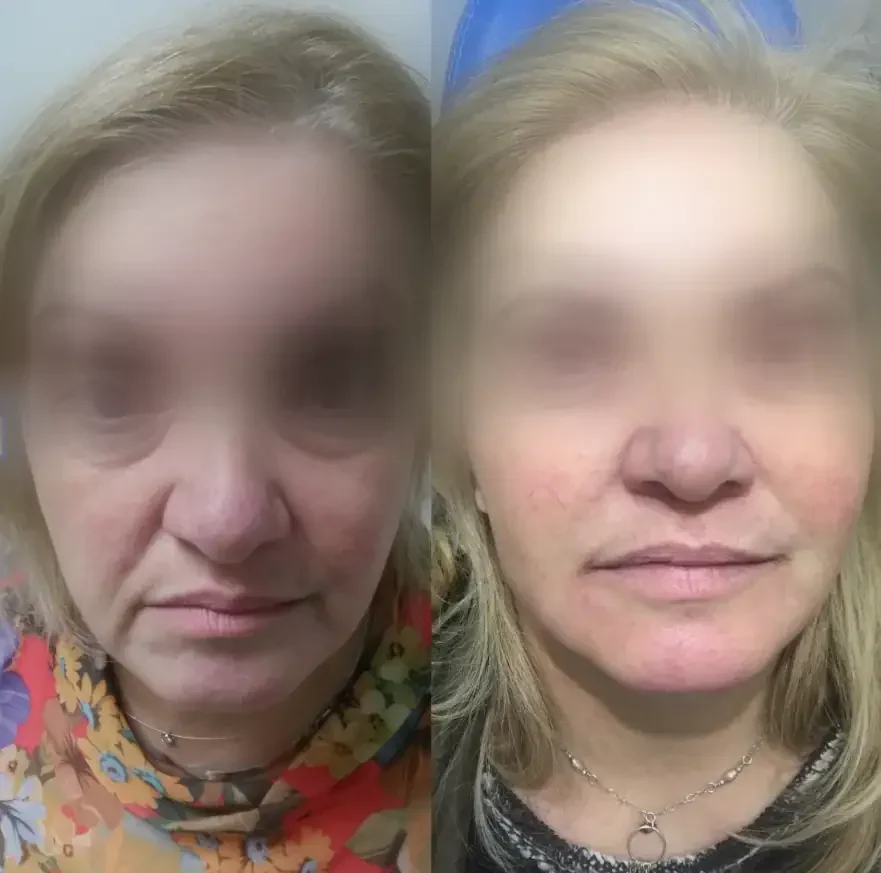
Profhilo bio-remodelling — non-cross-linked HA spreads through tissue to stimulate collagen
Bio-Remodelling
Profhilo is the world’s first BDDE-free stabilised injectable hyaluronic acid (sHA) product. Unlike fillers, it is not designed to add volume or change your facial structure. Instead, it spreads throughout the tissue, delivering an ultra-high concentration of HA that stimulates four different types of collagen and elastin.
The treatment involves just 5 injection points per side (the BAP technique), making it quick and comfortable. Most patients need two sessions spaced four weeks apart, followed by a maintenance session every 6 months.
Precision Volume
Dermal fillers use cross-linked hyaluronic acid — HA molecules that have been chemically bonded to create a gel that stays precisely where it is placed. This stability is what makes fillers ideal for contouring: a skilled physician can use them to restore lost cheekbone definition, rebalance lip proportions, or soften the nasolabial folds.
Results are immediate and long-lasting (typically 9–18 months), and the treatment is fully reversible with hyaluronidase if needed. At Vitalumina, Dr Gregorio uses only premium-grade fillers and a conservative, anatomy-led approach.
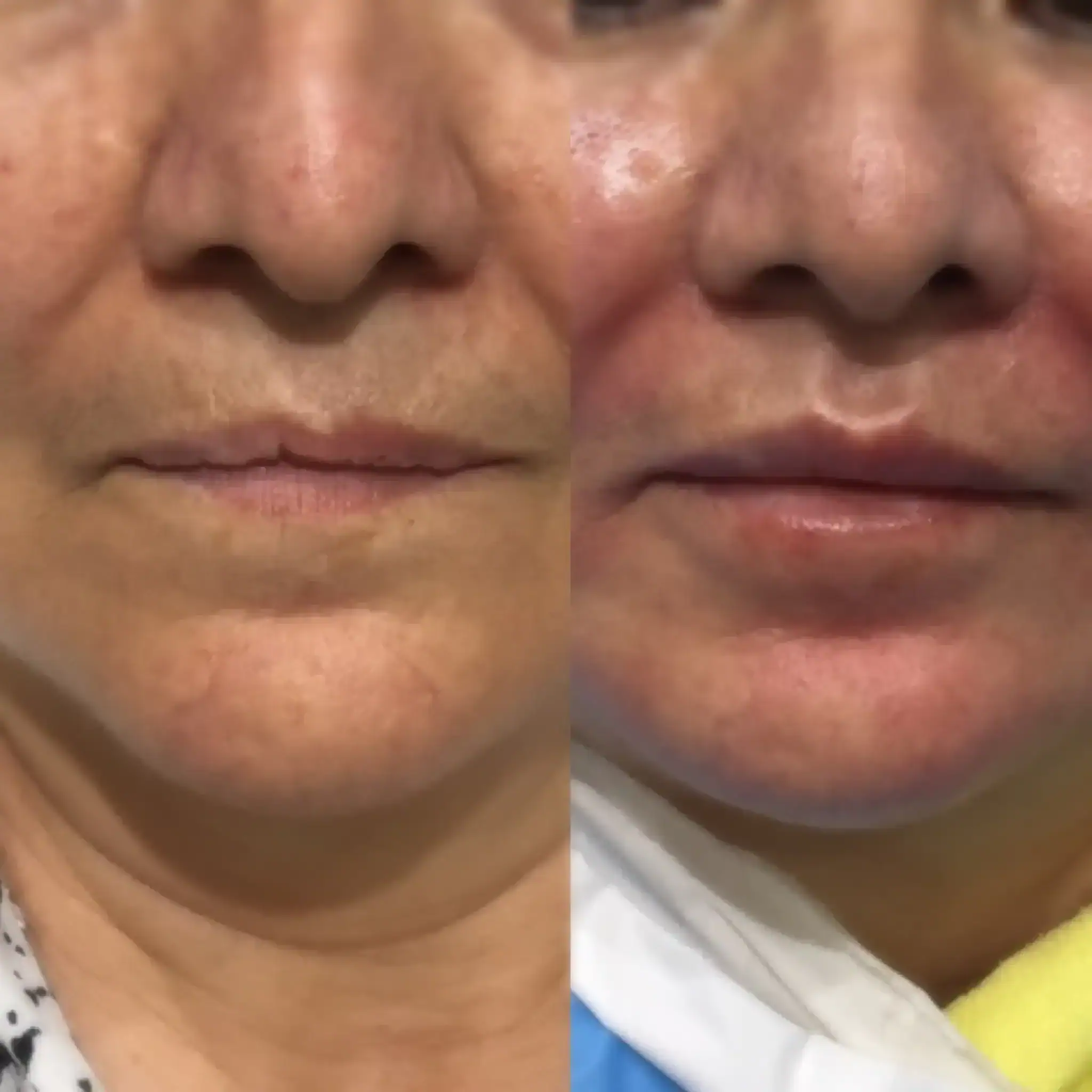
Hyaluronic acid dermal filler — cross-linked gel placed precisely to restore volume and contour
Dr Gregorio De Carvalho
Aesthetic Doctor in London
“
In my practice, I see patients who come in thinking they need fillers but actually need Profhilo, and vice versa. A thorough consultation — examining skin quality, bone structure, volume distribution and your personal goals — is always the first step.
Your Decision Guide
A simple framework — though nothing replaces a personal consultation.
01
Profhilo is unmatched for restoring the glow and hydration of healthy skin — without changing your features.
02
Jowl formation, crepey neck skin, or a loss of firmness respond well to Profhilo’s collagen-stimulating action.
03
If you’re not ready for visible contouring but want to look more like yourself at your best, Profhilo is ideal.
01
Flattened cheeks, sunken temples, or hollow tear troughs respond directly to targeted filler placement.
02
Lip shape, jawline definition, or cheekbone projection are sculpting goals that only fillers can achieve.
03
For nasolabial folds, marionette lines, or lip lines that are etched in, filler provides direct correction.
Frequently Asked Questions
Yes — both use hyaluronic acid (HA), but with completely different molecular structures. Profhilo uses non-cross-linked, BDDE-free stabilised HA: it flows freely through the tissue to bio-remodel collagen and elastin. Dermal fillers use BDDE cross-linked HA: the molecules are chemically bonded into a gel that holds its shape precisely where injected, creating volume and structure. Same ingredient, entirely different science.
Yes — combining them is common and often gives the best outcome. Typically we place fillers first to address structural concerns, then Profhilo to improve overall skin quality. Your physician will advise the ideal sequence.
Most patients describe mild discomfort. A topical anaesthetic can be applied beforehand. The BAP technique uses only five injection points per side, making treatment quick — usually under 30 minutes.
Some patients notice improved hydration within days. The full bio-remodelling effect — firmer, more luminous skin — develops over 4–8 weeks as new collagen and elastin form. Results continue improving after the second session.
In experienced hands, with premium products and a thorough anatomical understanding, dermal fillers have an excellent safety record. It is important to choose a qualified medical practitioner — not a beautician — for injectable treatments.
Lip fillers typically last 6–9 months due to the high movement of that area. Cheek fillers last longer — commonly 12–18 months. Duration also depends on the product used, your metabolism, and lifestyle factors.
Yes — Profhilo Body is designed for areas like the inner arms, abdomen, and knees where skin laxity is a concern. It uses the same bio-remodelling principle as the facial version.
Both improve hydration, but Profhilo’s unique formulation spreads further through tissue and provides stronger collagen and elastin stimulation. Skin boosters are more localised and stay where injected.
Ready to Begin?
Dr Gregorio De Carvalho will assess your skin, your goals, and your facial anatomy to design a treatment plan that looks entirely natural. Based in Kensington, London.